
Shop
2 items found.- Products
- Battery Storage
- C&I Battery Storage - 2 items
Commercial & Industrial Battery Storage
C&I Battery Storage for UK Installers
Alternergy supplies commercial battery storage systems for UK solar PV projects, commercial and industrial (C&I) sites, and business energy applications. Our scalable battery energy storage solutions help customers increase solar self-consumption, reduce electricity costs, support peak shaving and improve energy resilience.
Choose from high-performance commercial battery storage systems from trusted manufacturers, including Dunext, GoodWe, Sungrow and Sunwoda. Our range is suitable for commercial solar installations, EV charging integration, load management and backup power applications.
Enhance solar installations with reliable, scalable storage solutions. Contact our team, or register now for trade pricing and dedicated installer support.
Featured Commercial Battery Storage Systems
Browse selected commercial battery storage systems. View the commercial battery storage guide and FAQs below.
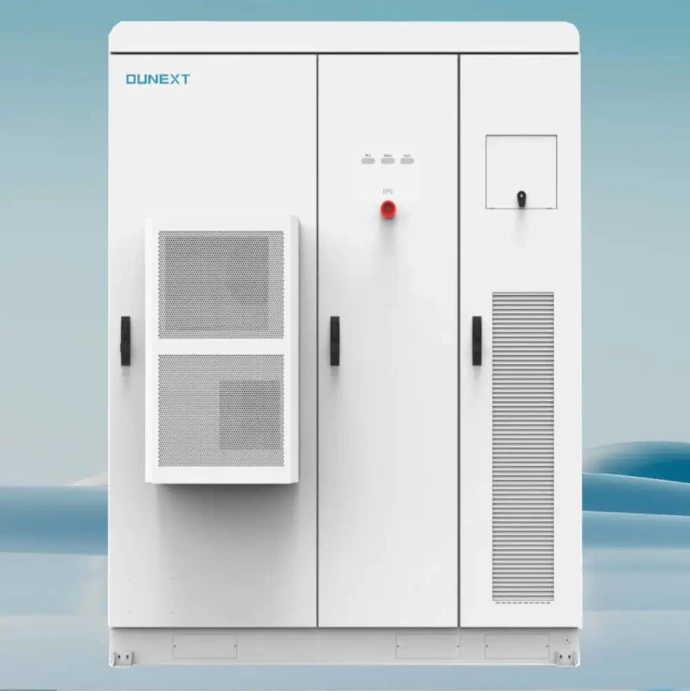
Dunext PowerHill P100-215kWh
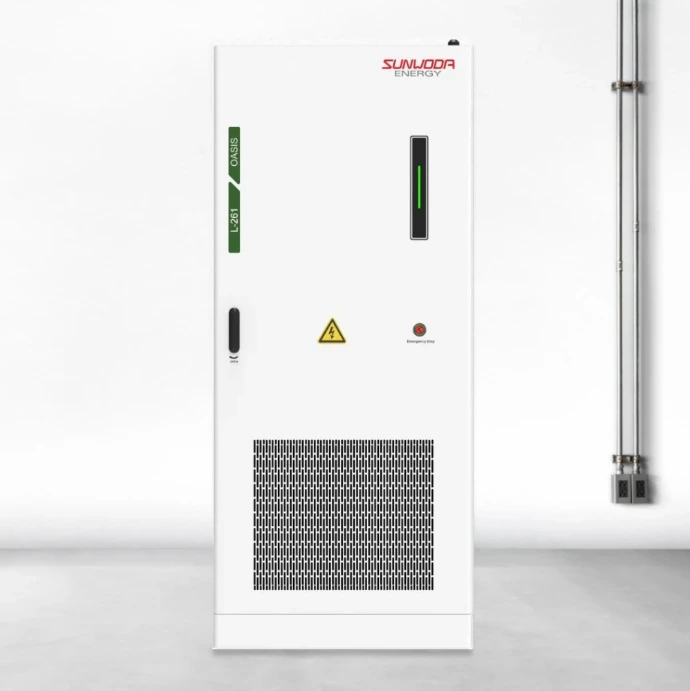
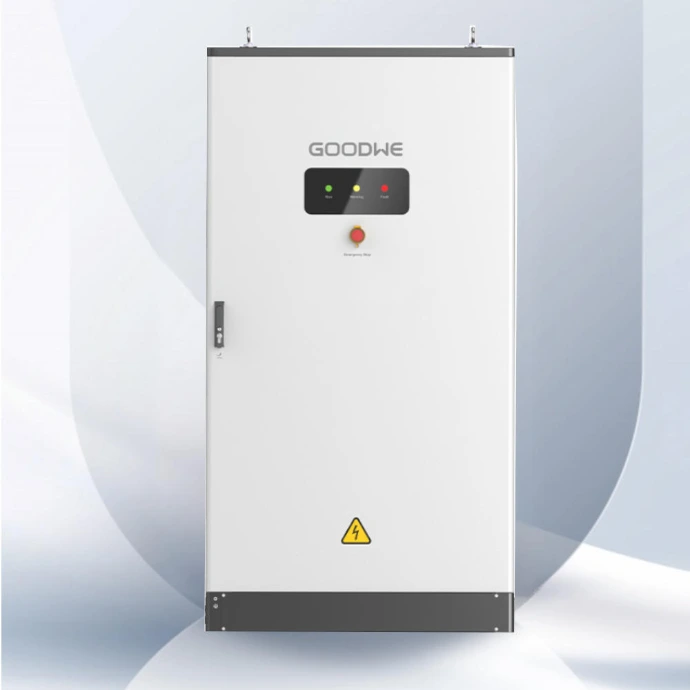
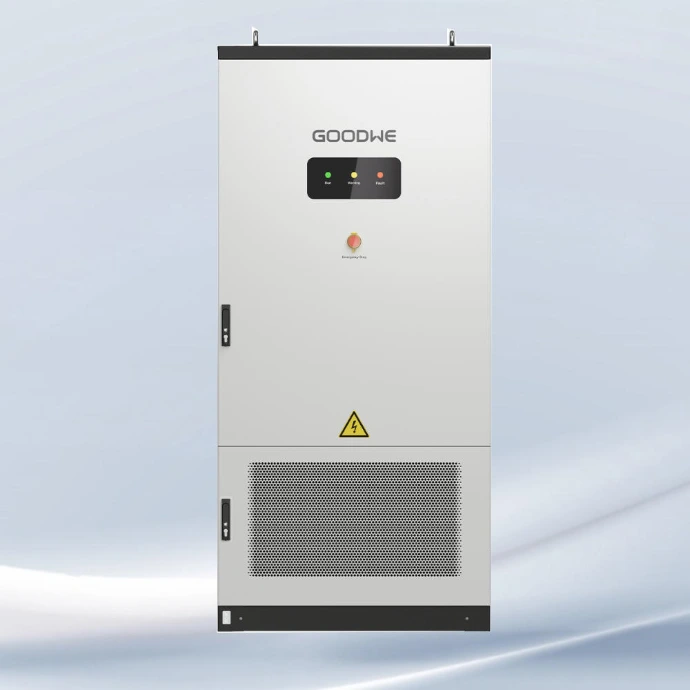
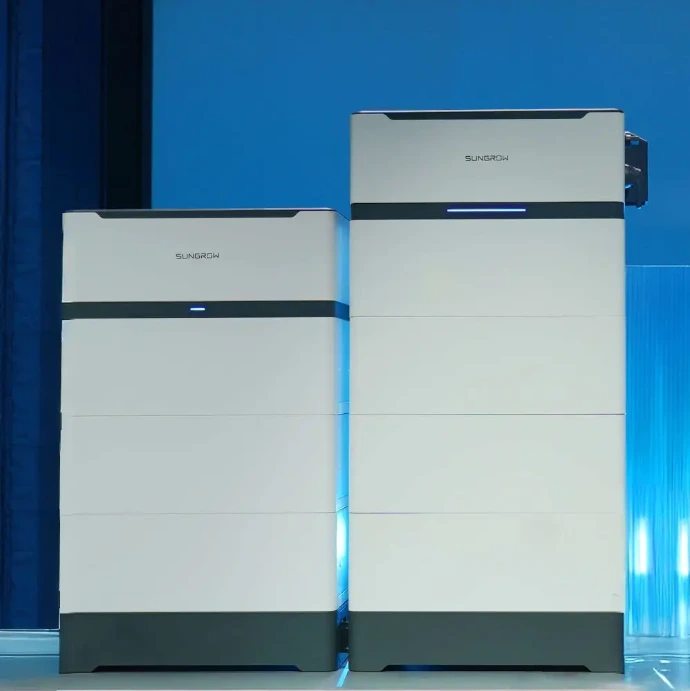
Sungrow PowerKeeper
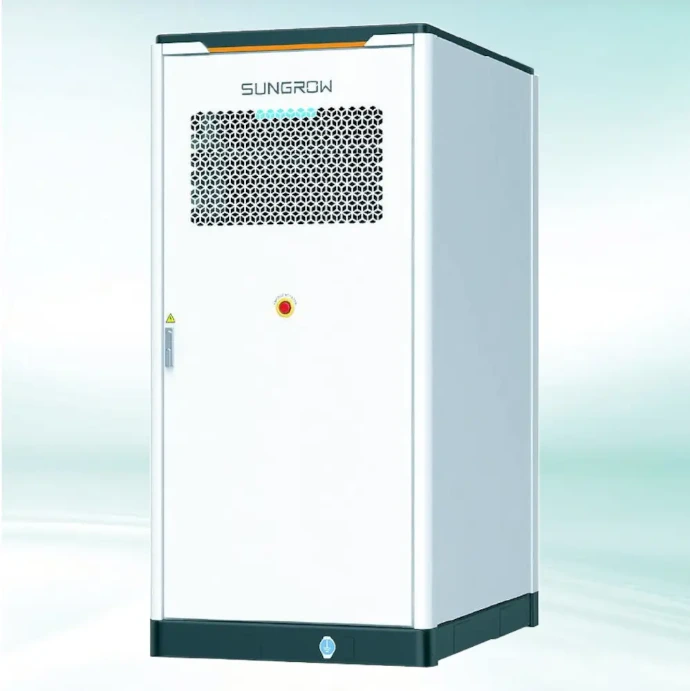
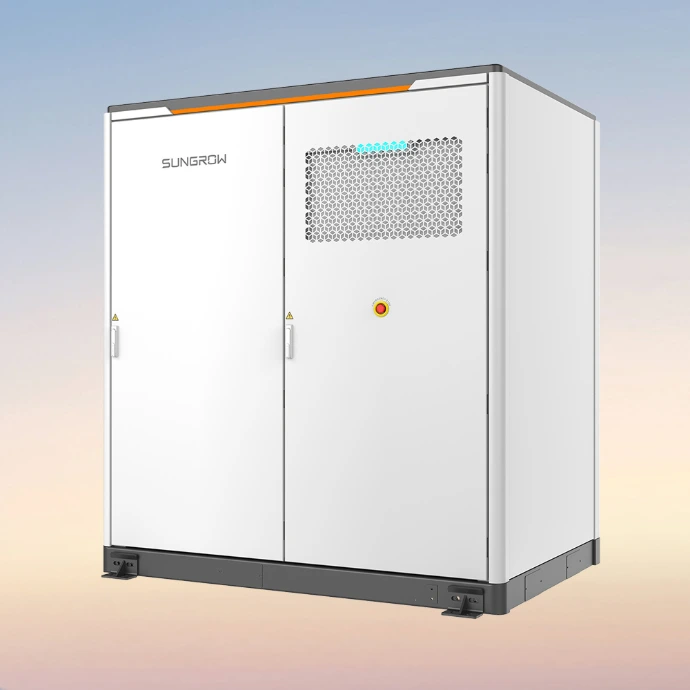
Dunext PowerHill P100-215kWh
Sungrow PowerKeeper
View our A–Z Battery Storage Glossary
View our A–Z Battery Storage Glossary
Showing 2 of 2 results
Commercial Battery Storage Guide for Installers
Commercial battery storage can support solar self-consumption, peak shaving, load shifting, backup power, EV charging and wider site energy management.
Main features:
- Increased Solar Self-Consumption - Help customers maximise the use of their on-site solar energy, reducing reliance on the grid and minimising export losses.
Additional Revenue Streams - When a business installs a commercial battery storage system, it can do more than just store excess solar energy, it can also participate in national energy markets to generate income. This is typically achieved through two main routes in the UK:
- Grid Balancing Services - The National Grid occasionally requires support to maintain real-time balance between electricity supply and demand. Businesses with battery storage can contribute by either discharging stored energy to the grid or temporarily reducing consumption. In return, they receive financial incentives or capacity payments.
- Demand-Side Response (DSR) - DSR schemes involve adjusting on-site energy usage in response to grid signals during periods of peak demand or system stress. With battery storage, businesses can participate by discharging energy or shifting loads, earning compensation in return.
- Reduced Electricity Costs - Rely on battery storage to offset energy use during peak pricing, cutting costs and improving efficiency.
- Energy Security - Maintain critical operations by providing reliable backup power in the event of grid instability or power loss.
- Enhanced Sustainability - Improve business's green credentials by maximising the use of renewable energy.
Peak shaving
Reduce peak electricity demand by discharging stored energy during high-consumption periods.
Load management
Balance solar generation, storage and site consumption to create a more efficient energy profile.
Solar self-consumption
Store excess solar power generated during the day and use it when the business needs it most.
Backup power supply
Support essential systems during grid interruptions when the battery system includes backup capability.
EV charging integration
Combine solar PV, battery storage and EV charging to support electric vehicle fleets while reducing pressure on the grid.
Energy cost optimisation
Charge the battery when solar generation is high or energy is cheaper, then discharge when grid electricity is more expensive.
Choosing the right commercial battery storage system is essential for delivering a reliable, scalable and cost-effective energy solution.
- Energy Usage Profile: Understanding the customer’s typical energy consumption and peak demand periods helps determine the appropriate battery size and discharge strategy.
- Solar PV generation: Match the battery system to the site’s solar generation profile so surplus renewable energy can be stored and used effectively.
- Battery capacity and power output: Capacity determines how much energy can be stored, while power output affects how much energy can be delivered at one time.
- Installation Space : Consider whether the system will be installed indoors or outdoors, along with access, ventilation, safety clearances, IP rating and maintenance requirements.
- Scalability and Flexibility: Modular commercial battery storage systems allow installers to design solutions that can expand as customer energy demand grows.
- Grid Connection and Compliance: The systems should meet UK requirements for grid connection, including those set by the Distribution Network Operator (DNO) and G99 standards. Proper compliance is essential for system approval and participation in grid-related services.
- System compatibility: Check compatibility with the solar PV system, inverter setup, monitoring platform and wider energy management requirements.
- Backup requirements: If backup power is required, the system must be designed to support critical loads during outages.
- Warranty and support: Review warranty terms, technical documentation, commissioning requirements and after-sales support before choosing a system.
Alternergy helps UK solar installers source the right C&I battery storage solution for each commercial project, from new solar PV installations to storage upgrades for existing sites.
Our range supports applications including EV charging integration, peak shaving, load management, backup power and solar self-consumption.
In many cases, yes. The best approach depends on the existing inverter setup, available space, site load profile and grid connection. Some projects may be suitable for an AC-coupled battery system, while others may need a different design. Alternergy can help installers review the project requirements and identify suitable commercial battery storage options.
C&I battery storage should be sized using real site energy data rather than estimates. Half-hourly consumption data is especially useful, as it shows when the site uses the most electricity and how demand compares with solar generation. A system designed for peak shaving may be sized differently from one intended for EV charging, backup power or solar self-consumption.
A reliable estimate should be based on the customer’s half-hourly energy data, tariff structure, peak demand, solar generation, battery size and intended use.
EV charging can create sharp increases in electricity demand, particularly for fleet, workplace or destination charging sites. Before specifying a battery, installers should review charger capacity, expected charging times, available grid capacity, solar PV generation and installation space. Battery storage can help smooth demand and make better use of on-site solar energy.
Often, yes. Grid-connected commercial battery storage systems may require approval from the local Distribution Network Operator, especially when installed alongside solar PV. The requirements depend on system size, export settings, connection type and site conditions. Installers should check DNO requirements early in the project to help avoid delays.
Some commercial battery storage systems can support backup power when configured for that purpose. Backup capability is not always included as standard, so it should be planned during the design stage. Installers should confirm which loads are critical, how long they need support for, and whether the site needs full-site backup or selected circuit backup.
Commercial battery storage is often most useful for sites with high electricity use, clear peak demand periods, on-site solar generation or EV charging requirements. Common examples include warehouses, factories, farms, schools, offices, retail units and fleet charging sites. The stronger the match between solar generation, site demand and tariff structure, the more valuable storage can be.
Alternergy supplies commercial battery storage systems from trusted manufacturers including Dunext, Sungrow and Sunwoda. The right option depends on project size, application, installation environment and system compatibility. Installers can contact Alternergy for product availability, trade pricing and technical support.